- calendar_today June 30, 2026
Kentucky — Local officials in the Kentucky region are closely watching Indiana’s new plan to provide gas tax reimbursement, a move designed to shield local governments from revenue losses following the state’s temporary gas tax suspension earlier this year. The measure, rolled out by Indiana Governor Mike Braun, responds directly to concerns over diminished road funding as a result of the April tax pause, which was implemented in response to mounting fuel prices amid international tensions involving Iran.
State Action Amid Soaring Fuel Prices
The temporary tax suspension, which took effect in April, offered immediate relief to motorists, reducing prices at the pump by about 62 cents per gallon. However, the savings also cut deep into funds earmarked for infrastructure funding and road maintenance—the backbone of many county transportation budgets. The region’s proximity to Indiana means that Kentucky drivers and local governments have a vested interest in how the gas tax reimbursement effort restores lost ground.
Budget Transfers to Address Road Maintenance Gaps
To counterbalance the unexpected shortfall, Indiana’s state budget director will seek approval for a major budget transfer from the state highway fund. These funds will reimburse local governments for lost gas tax revenue in April and May, with payments expected to be processed within five to seven business days after approval. The plan aims to ensure communities receive compensation by November 1, allowing essential road maintenance and paving projects to proceed without prolonged disruption.
Local Impact: Counties Adjust Paving Plans
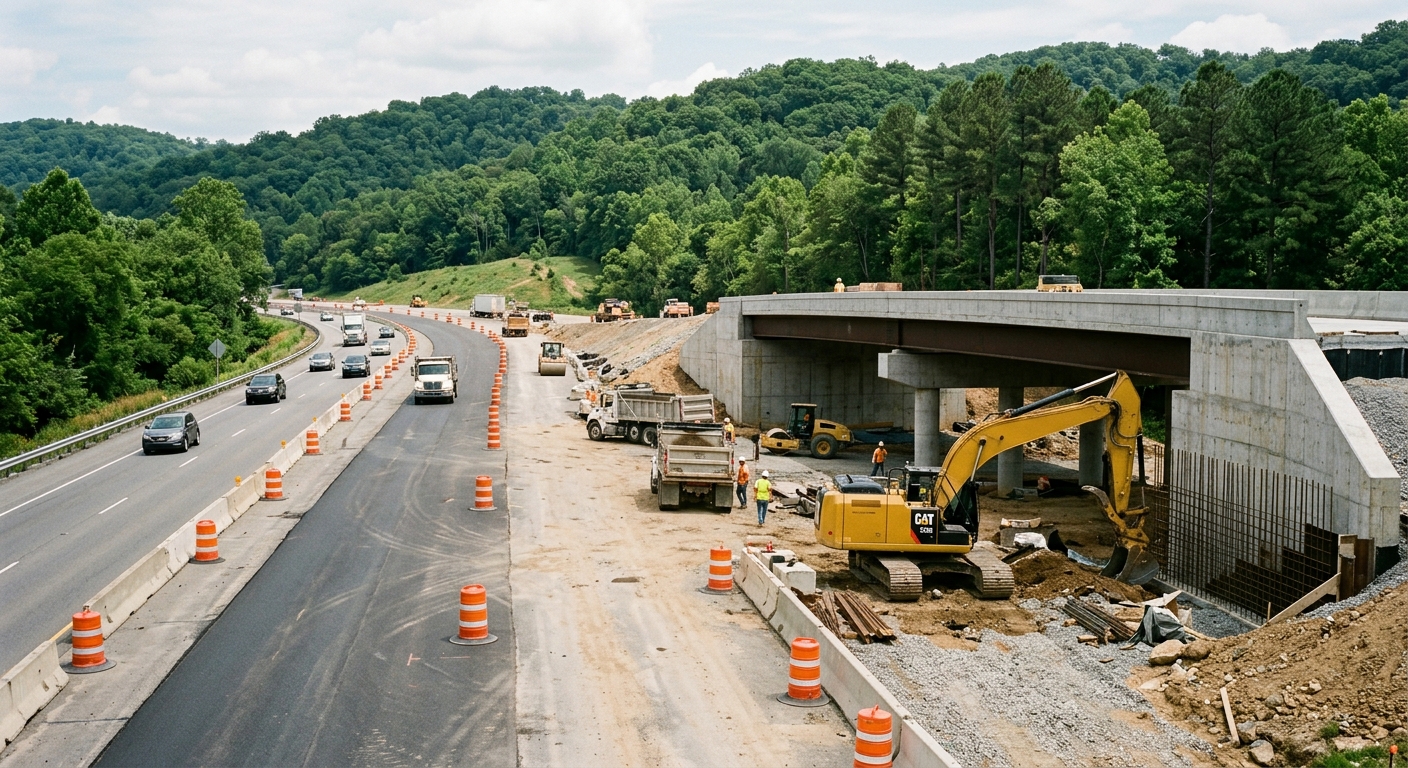
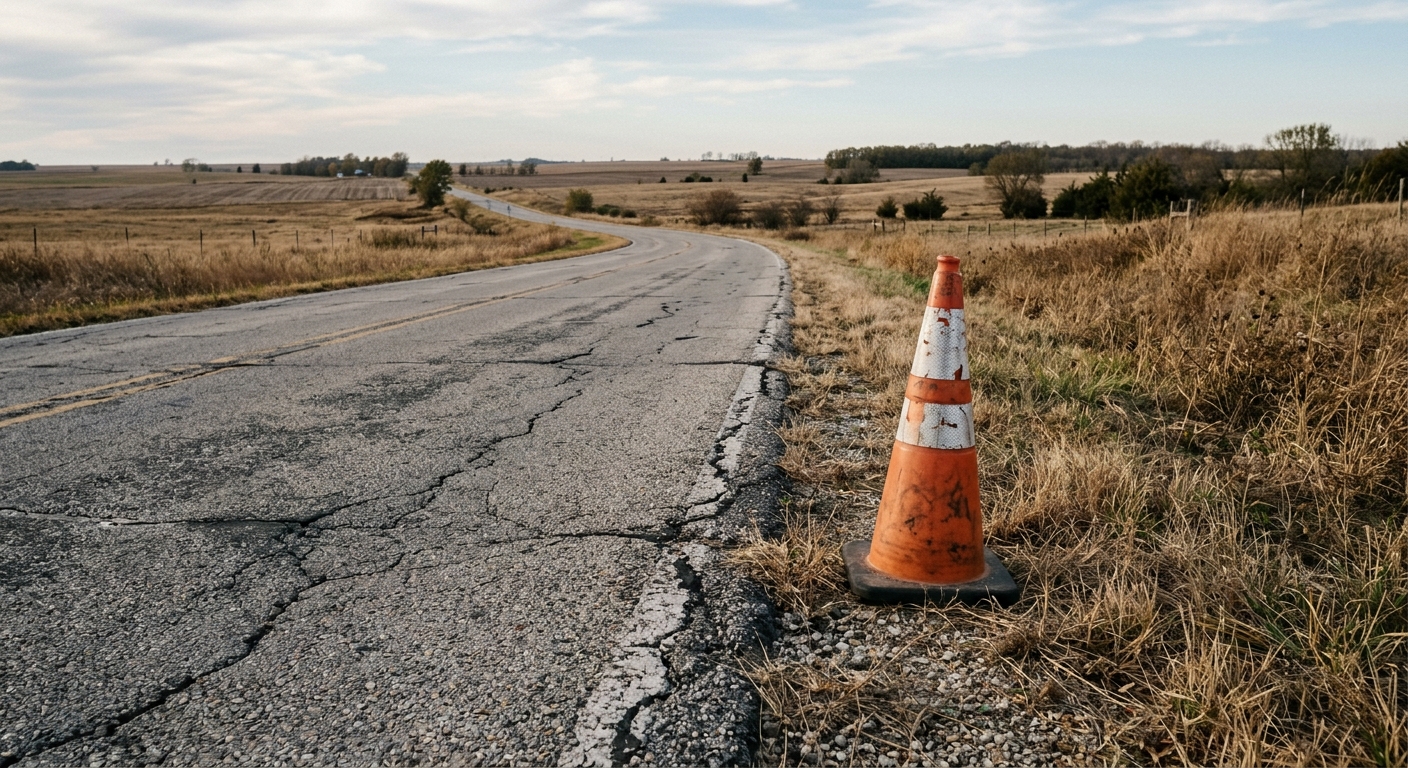
Clark County provides a vivid example of the challenges at hand, projecting a drastic reduction in the number of paved miles—from 20 or 30 annually to just five or six in 2026—if funding is not restored. The timing of the gas tax reimbursement will be critical for such communities as paving schedules and completion dates hang in the balance. In contrast, neighboring Floyd County anticipates minimal impact, citing more resilient budgets and manageable disruptions to their planned paving projects.
Extending Support for Continued Funding Needs
Additional allocations are anticipated as some revenue losses extend beyond June. The state has signaled that further budget transfer requests could be made, giving local governments in Indiana—and those in the Kentucky border region who depend on cross-state travel—greater certainty about the future of road funding and infrastructure priorities.
Balancing Relief and Infrastructure Investment
Governor Braun’s approach attempts to balance immediate relief for drivers affected by escalating fuel prices with the ongoing need to maintain vital transportation links. The gas tax reimbursement initiative is intended to “make local governments whole,” reflecting the state’s commitment to both constituents and essential public works. Local transportation officials, meanwhile, continue to monitor developments closely, mindful that the pace and reliability of infrastructure funding can set the tone for multiyear improvement plans.
Regional Significance and Next Steps
For the Kentucky region, the outcome of these measures influences not only Indiana’s local governments but also surrounding communities that rely on shared roadways and commerce. Restoration of gas tax revenue reassures regional stakeholders that core transportation and safety projects will remain on track even after a turbulent year. Indiana Governor Braun’s leadership in navigating the competing demands of tax relief and public investment is being closely followed by policymakers and residents alike, as solutions to funding dilemmas continue to emerge.