
- calendar_today August 7, 2025
From Louisville’s suburban neighborhoods to the rolling hills around Lexington and the quieter towns of Appalachia, homeowners in Kentucky are realizing that their insurance safety nets are shrinking. Policies that once offered modest out-of-pocket costs now demand homeowners cover thousands of dollars before any claim is honored. Dollar-based deductibles of $500 or $1,000 are increasingly being replaced by deductibles tied to a percentage of the home’s insured value.
The change first appeared subtly—quietly inserted into annual renewal documents—until residents found themselves needing to cover far more than expected. With home values rising, many stumbled upon deductibles rising to $3,000 or even $6,000 for a standard $300,000 policy. That shift has prompted many to rethink their coverage strategies during stressful repair seasons.
Storms and Material Costs Drive the Trend
Kentucky’s weather history, marked by tornado swarms in the west and ice storms throughout the central region, has long shaped the repair costs homeowners face. Recently, however, these weather events have become more frequent and unpredictable. The devastation wrought by tornadoes and straight-line winds—combined with higher labor and material prices—has fueled insurers’ efforts to reallocate their risk models.
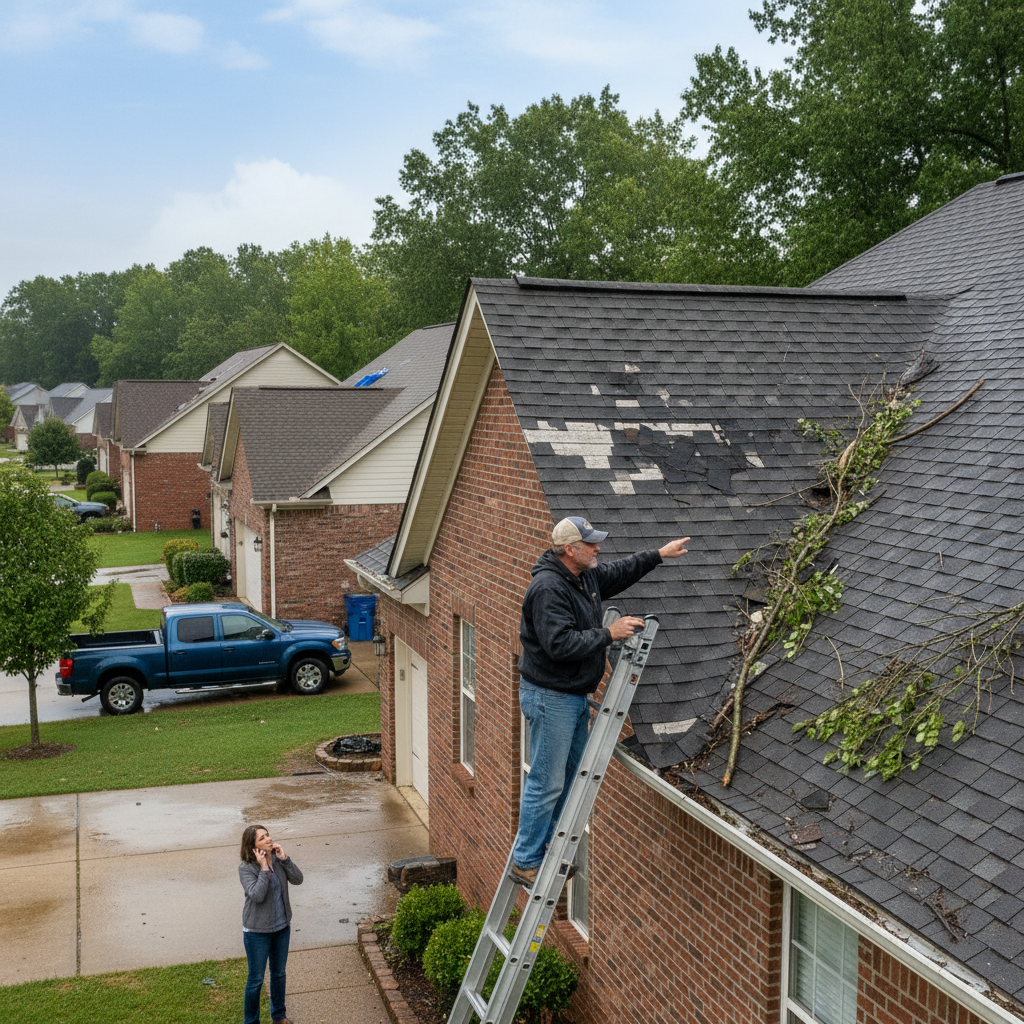
A homeowner in Owensboro recounted a winter ice storm that damaged half her roof. When an estimate topped $7,500, she learned her deductible would be just over $5,000. The financial strain forced her to finance the remaining balance, even though she carried full coverage. Stories like these are increasingly common, leaving homeowners to patch, pay, or delay repairs entirely.
Kentucky Residents Feeling the Financial Pinch
These escalating deductibles come at a time when many Kentucky households are already stretching their budgets. Those living paycheck to paycheck or nearing retirement find it difficult to scrape together large sums on short notice. Many homeowners are now treating deductibles like bills due—front-end expenses rather than safety nets.
In Bowling Green, a couple chose to handle hail damage repair themselves when they discovered their policy deductible was higher than the actual estimate. They carried the expense on credit, trading financial peace of mind for home maintenance.
Across rural Kentucky, where income levels tend to be modest, similar stories emerge. Families report avoiding claims for small repairs to protect their insurance record, even as wear-and-tear from storms accumulates.
DIY Repairs and Delayed Maintenance on the Rise
The choice to self-manage minor repair projects is becoming more common. From patching siding to repairing storm-damaged gutter systems, Kentucky homeowners are taking more things into their own hands. While this can offer short-term savings, skipping professional maintenance may introduce long-term issues like mold, water damage, or inefficient energy risks.
An insurance agent based in Richmond mentioned a growing trend: homeowners asking for guidance on preventative upkeep. Simple steps—sealing roof shingles before storm season, clearing gutters regularly, trimming loose branches—are becoming part of prudent financial planning for homeownership.
Understanding Policy Nuances Becomes Essential
Homeowners are learning that not all deductibles are created equal. Tennessee-based storm risks are handled differently depending on whether the damage comes from an isolated hail event or a state-declared disaster. Increased deductibles for tornado claims, in particular, are catching people off guard. Coverage that once handled these events is now layered with higher thresholds.
Residents in Frankfort are combing through their renewal notices, weighing whether to switch insurers or accept higher premiums in exchange for more predictable deductible caps. In Kentucky, where insurance carrier choice may narrow in rural counties, switching can come with its own challenges.
Insurance Companies Point to Economic Reality
Insurance providers say they have few options when claims rise and repair expenses double in cost. They argue that percentage-based deductibles discourage small claims and help preserve coverage pools for higher-value disasters. Without these changes, they warn, market exits or canceled policies could become more common.
A regional insurer spokeswoman noted, “Our goal is to balance affordability and availability. Rising deductibles offer a way to maintain coverage options, even if it shifts some responsibility to homeowners.”
Consumers Push for Transparency and Regulation
Consumer advocates in Kentucky argue that policy changes should be more transparent. Many policy adjustments go unnoticed until renewal time. Some state legislators are now exploring ways to require clear notification on deductible changes and cap how much deductibles can increase within a year, especially in counties prone to severe weather.
Nonprofit housing groups are hosting insurance literacy workshops across the state, encouraging residents to review policy changes, ask agents pointed questions, and document home improvements to support coverage claims.
How Homeowners Are Adjusting to New Realities
A growing number of Kentucky families are treating deductibles like known household expenses. In practice, it means building emergency savings, keeping detailed records of repairs, and working closely with trusted local agents.
Many homeowners are planning ahead—refreshing roof shingles early, reinforcing attic insulation, and preparing for storm season before insurance renewals arrive. Those able to switch insurers are also evaluating options that either lower their deductible in exchange for tighter premium costs or include add-on coverage for hail or wind damage.
What Lies Ahead for Kentucky’s Covered Homes
Weather patterns aren’t expected to ease, and repair costs will likely remain elevated. Insurance experts suggest the landscape won’t shift back to the way it was five years ago. Deductibles tied to property value and risk zones may become a long-term norm.
Kentucky homeowners are learning to navigate this reality by emphasizing preparedness over coverage assumption. The combination of demand for transparency, careful budgeting, and property upkeep may define how well families recover from the next big storm.