- calendar_today August 27, 2025
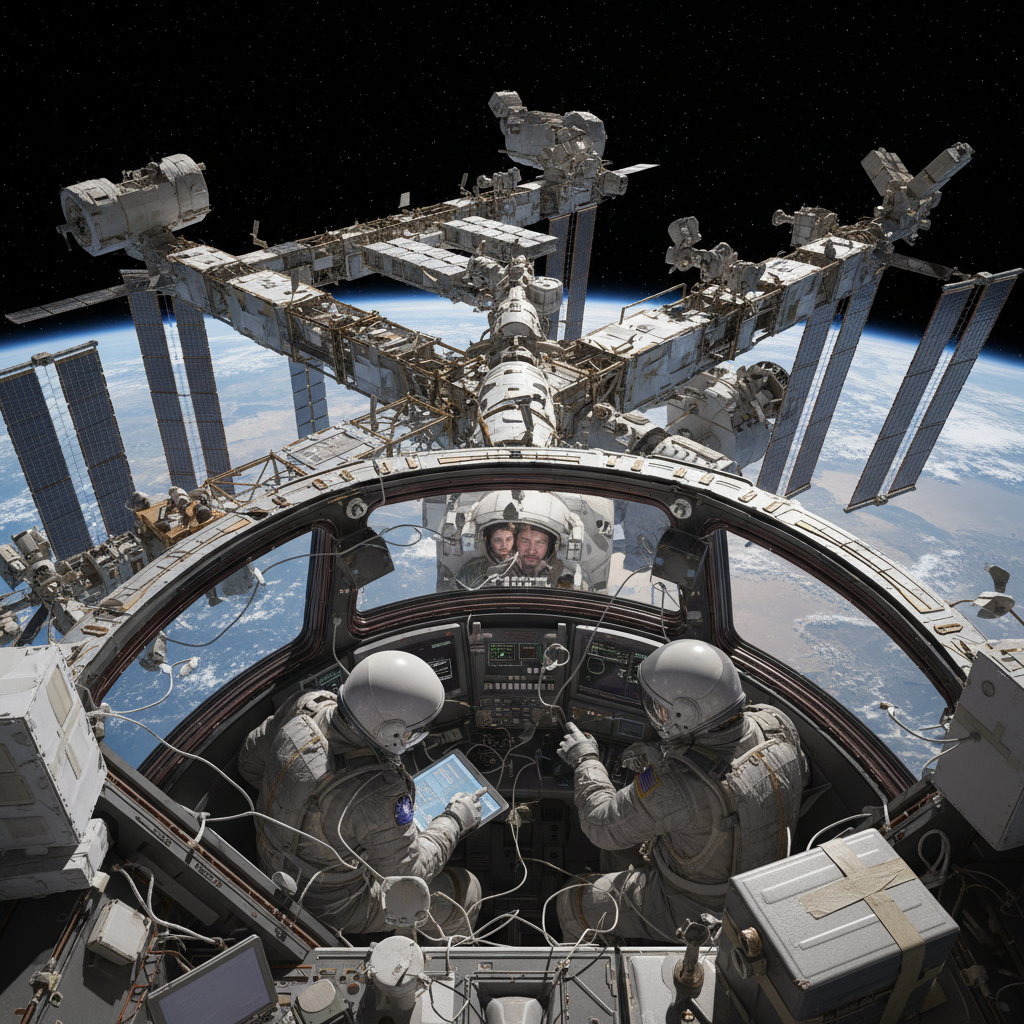
NASA reported a new air leak in the orbiting lab which led to a delay in their upcoming Axiom Mission 4 commercial crew launch. Several individuals who are familiar with the situation claim that this problem goes beyond a simple minor issue. The space agency regards the leak as a serious issue because of the station’s outdated equipment. For almost thirty years this has been drifting above Earth’s surface.
This story sounds familiar because it actually is familiar.
The International Space Station has been dealing with recurring air leaks since the year 2019. Space experts have identified the Russian Zvezda service module as the main suspect because it represents one of the earliest components of the space station launched in 2000. The problem exists in the transfer tunnel that Russians refer to as PrK. The PrK transfer tunnel serves as a link between Zvezda and the essential docking port from which Russian Soyuz crew vehicles and Progress cargo ships operate.
Cosmonauts performed numerous repair attempts on the PrK tunnel’s tiny cracks over several years. The most effective solution implemented thus far has been to reduce the rate of the air leak. The station experienced air loss at its highest rate of a couple of pounds daily which posed no danger to the crew but was definitely suboptimal. The surest method to address the issue has been to keep the PrK hatch shut whenever feasible.
During the past month things began to show signs of improvement.
Russia’s space agency Roscosmos reported that the PrK module had been fully enclosed. NASA echoed this update. The latest repair attempt successfully stopped the leak according to both agencies. The engineers were prepared to relax until another issue emerged unexpectedly. The station’s overall air pressure kept dropping.
This puzzled everyone.
The PrK module was confirmed to be sealed yet air continued to vanish from the station. The current hypothesis suggests the leak originates from the hatch seals connecting the module to the station rather than the module itself. The module maintains pressure despite air leaking from other parts of the station through faulty seals. The module’s stability combined with the ISS pressure loss indicates potential issues elsewhere on the station.
NASA continues to monitor this situation closely behind the scenes. A top industry expert labeled the agency’s internal atmosphere as “worried” which resulted in the delay of Axiom Mission 4’s launch that had been planned for this week. The agency explained their short statement indicates the delay provides them with more time to assess circumstances and decide if extra troubleshooting is required.
A new tentative launch date? June 18. The launch date may be adjusted based on developments in the leak situation.
The situation takes a serious turn from here.
The persistent leaks suggest a serious problem known as high cycle fatigue. High cycle fatigue represents a phenomenon which leads to metal structure degradation over time due to repeated stress with aluminum being especially vulnerable. You can bend a metal paperclip repeatedly until it eventually breaks. The paperclip stays intact during initial bends but it will eventually break. That’s high cycle fatigue.
It’s not just theory. It’s happened before.
Aloha Airlines Flight 243 experienced a structural failure while flying through the sky in 1988 because of metal fatigue. Without any prior indication the aircraft fuselage ripped away in an instant. The successful landing of the aircraft demonstrates the sudden and catastrophic emergence of fatigue-related damage for pilots and air travelers alike.
NASA is not taking this lightly.
NASA has determined that structural cracking poses the most critical threat to the ISS based on their 5×5 risk matrix evaluations. NASA evaluates both the probability and potential impact of such failures with utmost seriousness.
The agency has maintained silence despite these concerns. No press conferences have been scheduled. No detailed updates offered. NASA’s only public statement so far has been brief and cautiously optimistic: The International Space Station crew continues with regular activities and operates safely.
That much, at least, is true. The astronauts aboard the ISS are safe. Daily tasks continue.
As the station gets older and air keeps disappearing without any identifiable cause the problem becomes impossible to overlook. International cooperation and scientific accomplishment have been represented by the ISS for over twenty years.
The ISS demonstrates what happens to decades-old hardware when it starts to fail in the most extreme environment possible.