- calendar_today September 11, 2026
The Sept 11 attacks stand as a defining chapter in American history, reverberating through every corner of the nation, including communities throughout Kentucky. On September 11, 2001, nearly 3,000 individuals lost their lives in coordinated acts of al Qaeda terrorism targeting the World Trade Center in New York, the Pentagon, and a Pennsylvania field. As Americans commemorate the anniversary, Kentucky residents join a national remembrance of loss, resilience, and the enduring challenges facing survivors and first responders.
The Day That Changed a Nation
In a coordinated attack, terrorists commandeered commercial airplanes, crashing two into the north and south towers of the World Trade Center. These catastrophic impacts led to the buildings’ collapse, leaving ground zero strewn with rubble and heartbreak. The immediate mobilization of first responders, volunteers, and ordinary citizens underscored an outpouring of solidarity during chaos. Local connections are felt in Kentucky, where service members and emergency personnel reflected on the courage displayed by their counterparts in New York and across affected sites.
The Crucial Role of First Responders and Volunteers
The aftermath of the Sept 11 attacks saw extraordinary acts of heroism. Rescue and recovery efforts continued for months at ground zero, involving not only official fire, police, and emergency teams but also union members, such as those from the Theatrical Teamsters. Volunteers like Paul Eliacin recounted experiences of working side by side with first responders, describing the devastation as similar to a war zone. In Kentucky, emergency service organizations continue to draw inspiration from their peers’ sacrifice and commitment during this national crisis.
The Enduring Health Effects of 9/11
For tens of thousands who survived or participated in rescue and recovery missions, the tragedy’s impact did not end with the clearing of debris. Many now cope with PTSD and illness as a result of chemical exposures and overwhelming trauma. The WTC Health Program—created in response to emerging health concerns—has verified over 49,000 cases of cancer and other serious conditions connected to time spent near ground zero. These 911 health effects remain a critical issue for Kentucky residents with ties to New York or service in federal agencies mapped to the emergency response.
Honoring the Legacy and Healing
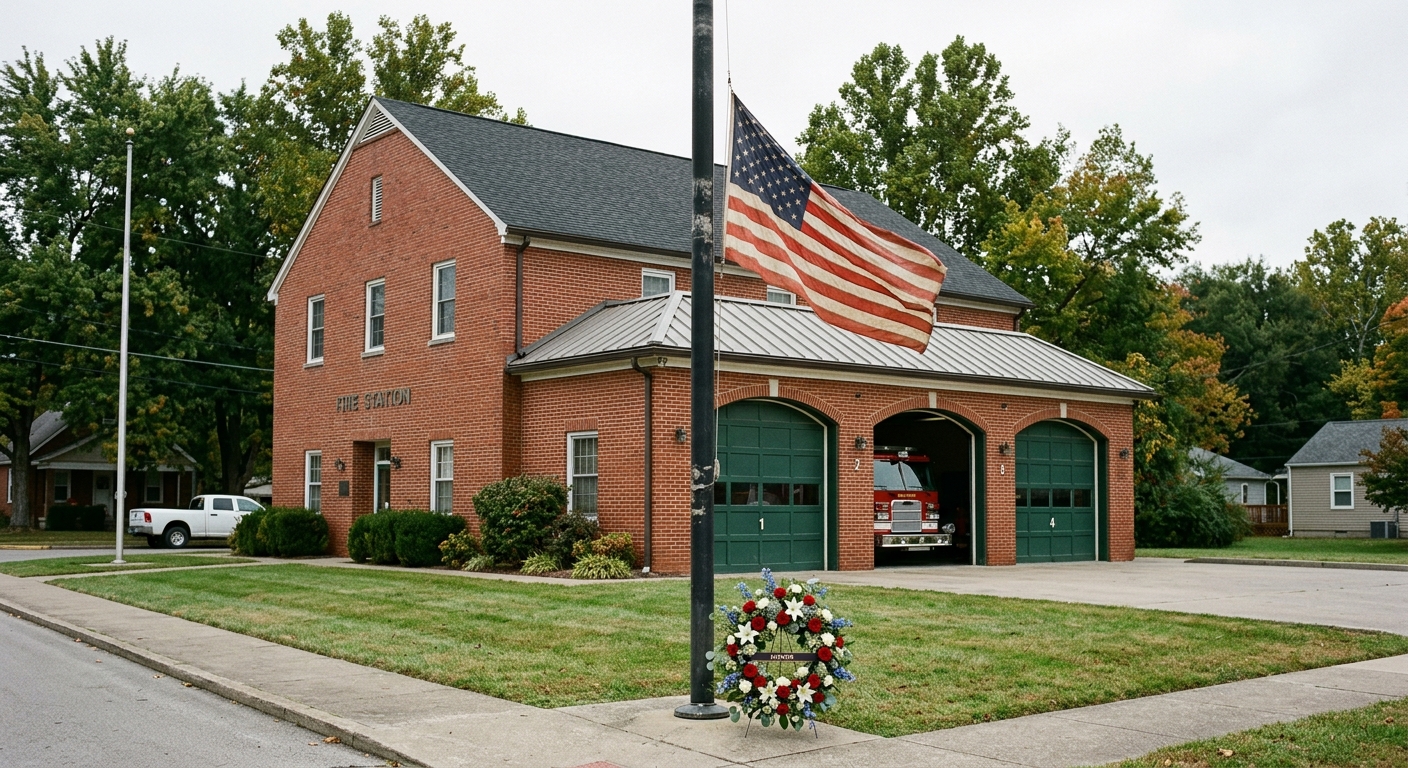
Across Kentucky and the nation, the 9 11 memorial serves as both a solemn tribute and a reminder of the attacks’ enduring legacy. Ceremonies held in communities large and small bring attention to the sacrifices of fallen workers, as well as the resilience demonstrated in the face of adversity. Survivors such as Regina Smith exemplify a powerful spirit—transforming a day of tragedy into one dedicated to healing, self-care, and hope. Kentucky organizations have hosted forums and counseling programs to help residents reflect and recover each September.
Community Support and Moving Forward
As the sept 11 legacy continues to shape national policies and community bonds, efforts in Kentucky focus on education, remembrance, and health advocacy. Schools in the region introduce students to the events of September 11 through curricula and memorial projects, while local agencies provide ongoing assistance to those grappling with ptsd and illness. Public health campaigns collaborate with the WTC Health Program to ensure anyone affected by 9/11-related conditions receives appropriate care and recognition.
An Enduring Commitment to Remembrance
Twenty-five years after the sept 11 attacks, Kentucky’s connection to the day is reflected in public tributes, educational initiatives, and health outreach programs. From first responders and military personnel to families with loved ones affected by 9/11, the region remains committed to honoring the victims and supporting all those still facing the consequences of that fateful day. As the nation pauses to remember, Kentucky stands united in reflection and forward with renewed resolve to support healing, resilience, and community connection.