
- calendar_today August 8, 2025
Tariffs and Policy Changes Stir Concerns Among Manufacturers and Officials
Introduction
Kentucky’s robust automotive industry, a cornerstone of the state’s economy, is grappling with the ramifications of recent trade policies under President Donald Trump. The introduction of new tariffs and potential alterations to electric vehicle (EV) incentives have sparked concerns among manufacturers, local officials, and workers about the future stability and growth of this vital sector.
Tariffs Introduce Uncertainty
In early March 2025, President Trump announced a 25% tariff on imports from Mexico and Canada, alongside an increase in tariffs on Chinese goods from 10% to 20%. While automakers have secured a one-month exemption, the looming prospect of these tariffs has unsettled industry stakeholders. Steve Gates, owner of Toyota South in Richmond, Kentucky, expressed apprehension, stating, “We can’t work with a 25% tariff.” He emphasized the industry’s need for clarity to navigate these challenges effectively.
The interconnected nature of automotive manufacturing means that parts often cross borders multiple times before final assembly. Governor Andy Beshear highlighted this complexity, noting that companies like Martinrea, which operates in Hopkinsville, Kentucky, could be adversely affected. He remarked, “If these tariffs are ultimately put on the auto industry… it’s gonna hurt exports. It’s gonna hurt our economy.”
Potential Repeal of EV Incentives
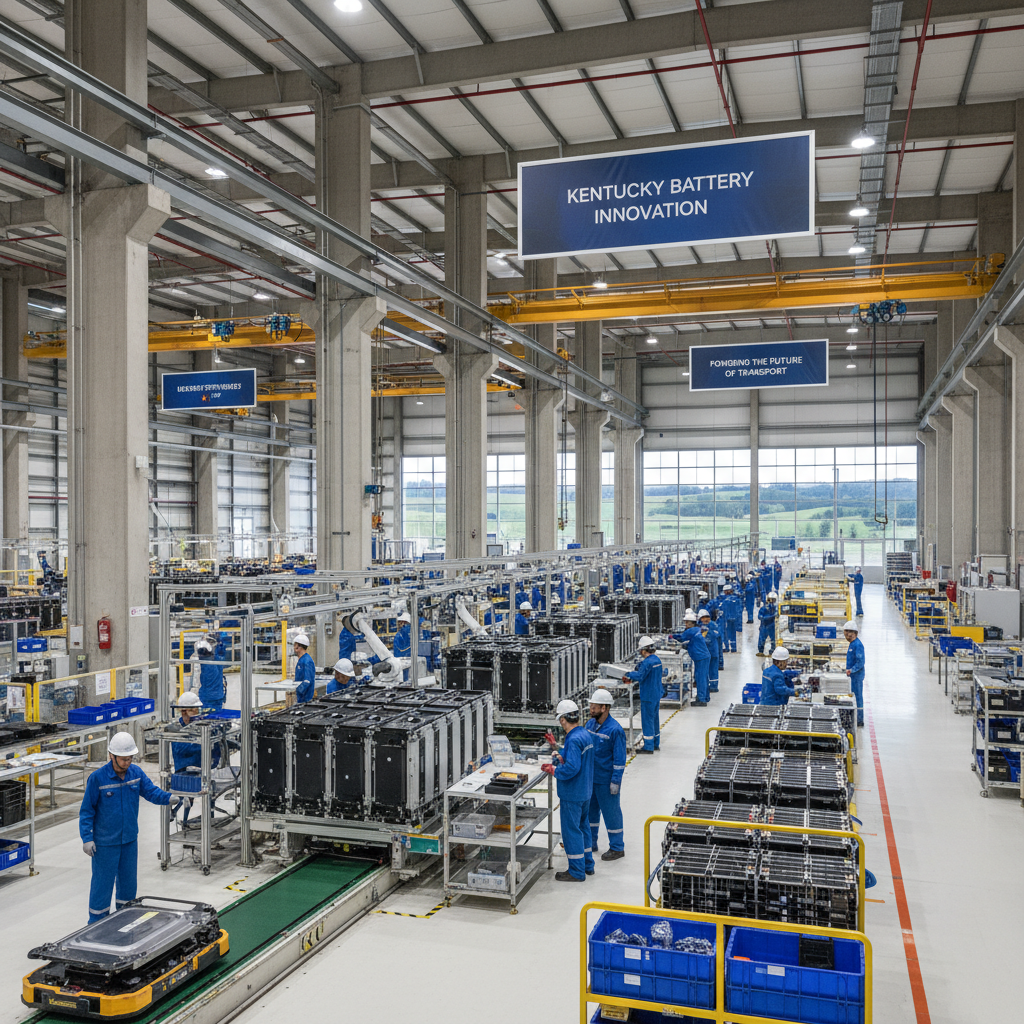
The automotive sector’s concerns extend beyond tariffs. The Trump administration’s consideration of repealing aspects of the Inflation Reduction Act (IRA), particularly tax credits for EV battery production, poses additional challenges. Ford Motor Company’s CEO, Jim Farley, warned that such a repeal could jeopardize significant investments and employment. He highlighted Ford’s commitment to battery plants across Ohio, Michigan, Kentucky, and Tennessee, projects expected to generate approximately 11,000 jobs. Farley cautioned that rescinding the IRA could put these jobs at risk.
Governor Beshear echoed these concerns, emphasizing the potential impact on Kentucky’s workforce. He stated, “We’ve announced about 10,000 EV jobs in Kentucky… if he causes us to lose these EV jobs, he is eliminating jobs from the very people who voted for him.”
Local Communities Brace for Impact
The uncertainty surrounding trade policies and incentives is palpable in Kentucky communities anticipating growth from the EV sector. Elizabethtown, for instance, is preparing for a population surge due to two new Ford EV battery factories in nearby Glendale. The town is investing in infrastructure, including new firehouses and apartment complexes, to accommodate the expected influx of workers. However, the potential rollback of federal support for EV initiatives casts a shadow over these developments.
Historical Context: The ‘Chicken Tax’
The current situation draws parallels to past trade policies, such as the 1963 “chicken tax,” a 25% tariff on imported trucks imposed by the U.S. in retaliation for European tariffs on American poultry. This longstanding tariff has significantly influenced the U.S. automotive market, ensuring that most pickup trucks sold domestically are built in North America. The enduring effect of such policies underscores the profound and lasting impact trade decisions can have on the industry.
Industry Leaders Advocate for Stability
Amid these challenges, industry leaders are advocating for stability and clear policies. The uncertainty stemming from fluctuating trade policies hampers long-term business decisions, affecting consumer spending and corporate investments. Economists warn that prolonged instability could elevate recession risks, emphasizing the need for predictable and consistent trade policies to foster economic growth.
Conclusion
Kentucky’s automotive industry stands at a critical juncture, facing uncertainties from new tariffs and potential policy shifts affecting EV incentives. The decisions made in the coming months will significantly influence the state’s economic landscape, impacting investments, employment, and the broader community. As stakeholders navigate this complex environment, the emphasis remains on achieving clarity and stability to ensure the continued prosperity of Kentucky’s automotive sector.