
- calendar_today August 21, 2025
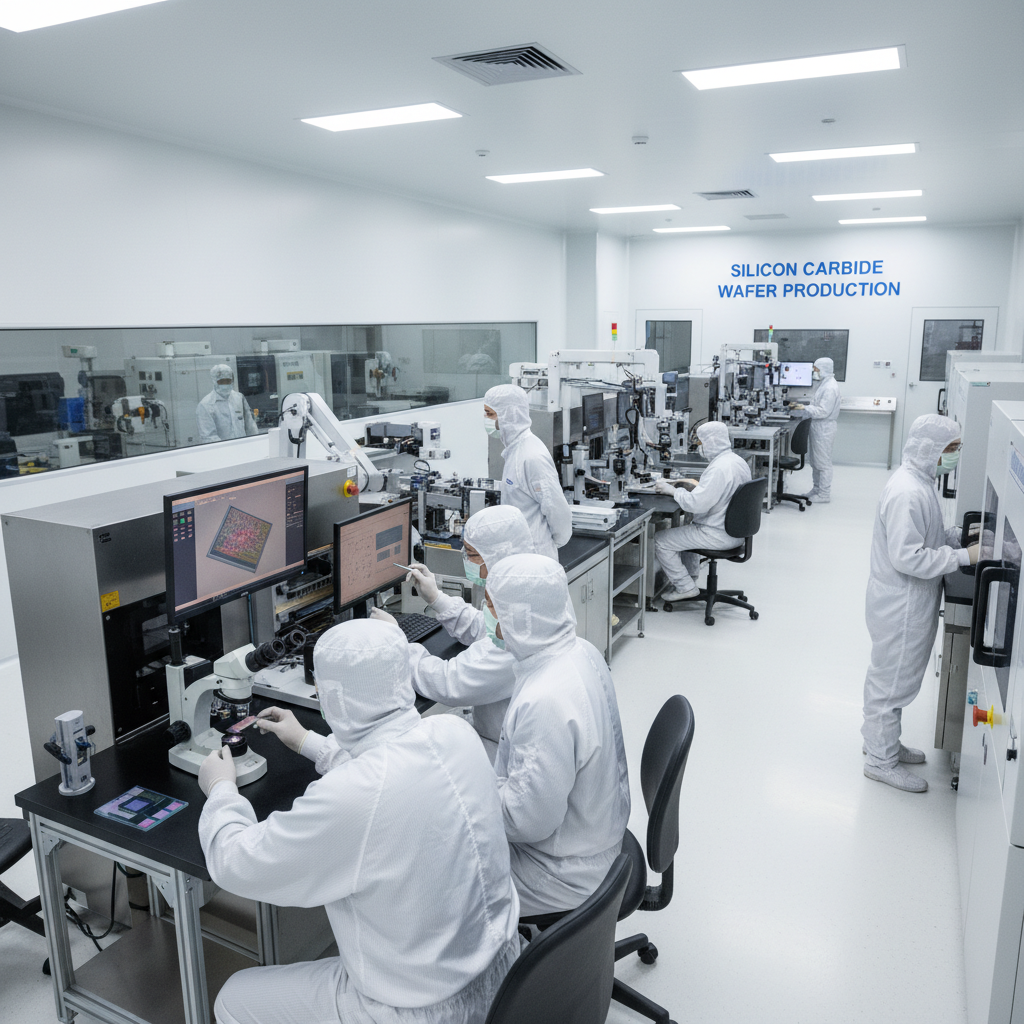
Kentucky’s semiconductor business is placed into jeopardy with the recent plunge in Wolfspeed’s stock value to a 27-year low. Wolfspeed, being a pioneer in the semiconductor business, specializes in its revolutionary method of producing silicon carbide (SiC) chips, which are critical in electric vehicles (EVs), clean energy, and next-generation power systems. With interest in such technology increasing, the recent financial woes of the company are sending shockwaves into Kentucky’s growing semiconductor and technology industries.
Wolfspeed’s Place in Kentucky’s Tech World
Kentucky, with its growing domination of manufacturing and tech sectors, has witnessed its semiconductor sector grow strongly. State companies have increasingly made use of SiC chips for electric vehicles, power devices, and other high-performance applications. Wolfspeed, a major SiC chip manufacturer, has been a significant factor in making Kentucky’s industries, especially clean energy industries and electric vehicle manufacturers.
Wolfspeed semiconductors are central to the efficiency and performance of electric vehicles and solar and wind energy systems, booming markets in Kentucky. But the recent downturn in share price has created uncertainty as to whether Wolfspeed can hold position in these critical markets. Dozens of Kentucky manufacturers rely on Wolfspeed for semiconductor material, and any disruption would threaten production timetables and increase costs to local producers.
Reasons behind Wolfspeed’s Share Price Dip
There have been a number of reasons responsible for the dip in Wolfspeed’s share price that have surprised analysts and investors. One of the key reasons behind the dip is a string of disappointing quarterly earnings reports, which posted wider-than-anticipated losses. Apart from the financial woes, Wolfspeed has also confronted supply chain disruptions, increased manufacturing expenses, and production delays. These issues have made it difficult for the company to keep pace with the growing demand for SiC chips, whose future stability has been put into question.
For investors, this decline in share price is a disappointment of a colossal magnitude to the trust reposed in Wolfspeed. The complete failure of the company to live up to the high hopes generated by the thriving electric vehicle and clean energy industries has generated doubts over its chances of recovery in the near term.
Impact on Kentucky’s Semiconductor and Manufacturing Sectors
Wolfspeed’s setbacks are especially disturbing to Kentucky’s semiconductor and manufacturing communities. The Bluegrass State is now a central hub for the production of electric vehicles, with industry leaders Toyota and Ford heavily investing in the state. Such manufacturers depend on high-performing semiconductors for their EVs, and anyhiccup in the supply chain of semiconductors would bring production to a standstill and become increasingly expensive.
Local businesses that rely on Wolfspeed’s SiC chips are now considering the likely costs of depending on a cash-strapped organization. Given the already challenged supply chain within the semiconductor industry, Kentucky companies might have to seek alternative vendors or devise ways of reducing the blow from Wolfspeed’s collapse.
For Kentucky’s expanding clean energy industry, Wolfspeed’s share price fall also presents obstacles. Most renewable energy state-based firms utilize semiconductor technologies to develop energy storage devices and power conversion. If Wolfspeed’s supply of SiC chips is affected, it would impede progress on renewable energy projects, which would harm the state’s green energy objectives.
Kentucky’s Resilience and Adaptability
Although the shutdown caused by Wolfspeed’s stock price drop, the semiconductor and manufacturing sectors of Kentucky are strong. The state has always led the charge in responding to market shifts and enjoys a good track record in advanced manufacturing and tech development. Kentucky companies have always demonstrated the capacity to change gears with adversity, and this one may prove no exception.
As a reaction to Wolfspeed’s failure, Kentucky businesses can attempt to diversify their semiconductor supply base so they are less exposed to risks from one supplier. This would be done by seeking alliances with other semiconductor businesses or boosting research and development expenditure so that they are able to establish more stable, in-region supply chains. Through innovation and seeking alternative technology, Kentucky businesses can adapt to uncertainty and continue to thrive.
Looking Forward: What Awaits Kentucky’s Semiconductor Industry?
Kentucky’s semiconductor industry will be dictated by how companies adjust with the developments in the market. Although Wolfspeed’s stock decline is an acute challenge, the state’s business community is expected to look forward responsibly to secure growth and continue succeeding in the semiconductor industry.
For Kentucky’s manufacturers, that could translate to investing in other sources for SiC chips, enhanced supply chain management, or an alliance with other semiconductor pioneers to address increasing demand. While Kentucky’s place in those arenas will be important even if Wolfspeed’s plight does not subside, there is still reason to have faith in the technology and manufacturers.
The decline of the stock of Wolfspeed is certainly making it questionable for Kentucky’s semiconductor and manufacturing industries. With companies throughout the state watching, they are putting measures in place to counter the threats and adjust to the new reality. The resilience of Kentucky, along with its strong technology and innovation foundation, will enable the state to weather these difficulties and continue to be a major player in the expansion of electric vehicles, renewable energy, and semiconductor production.