
- calendar_today August 13, 2025
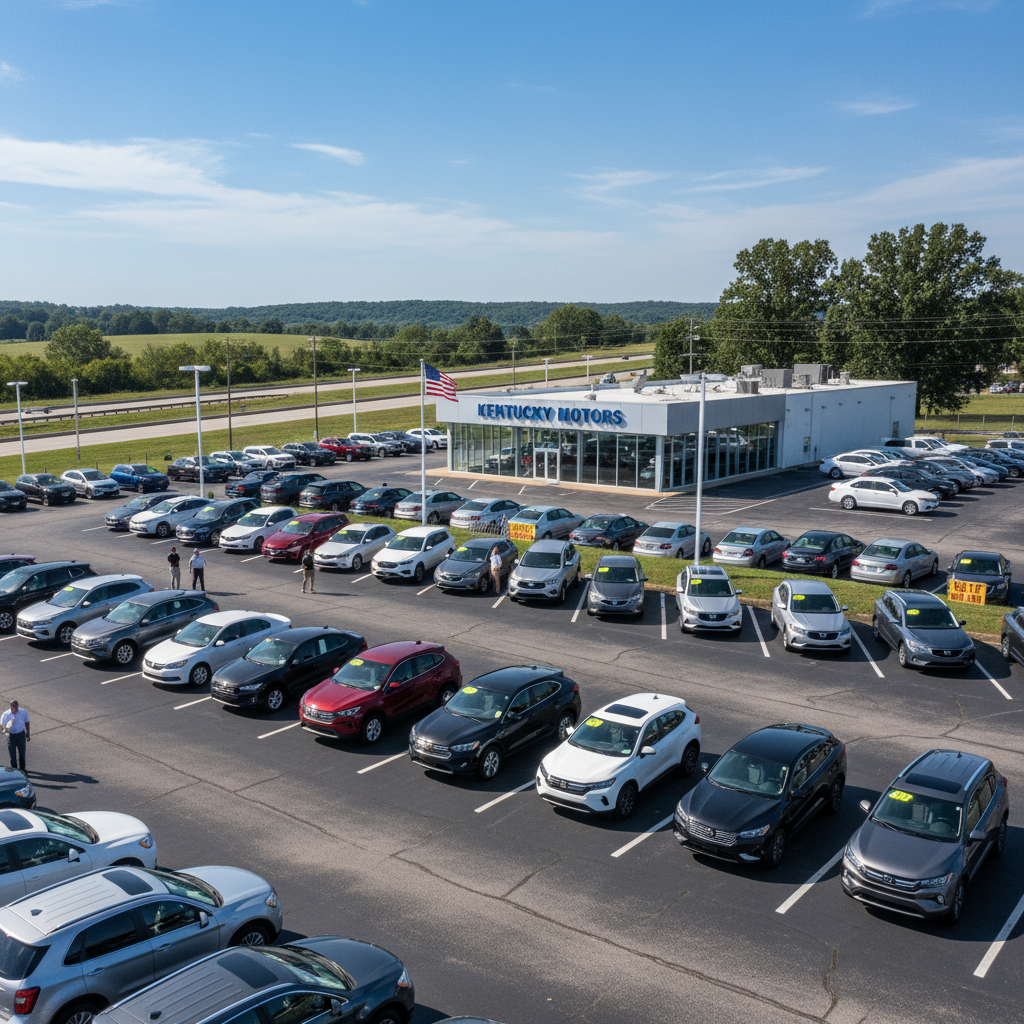
Kentucky Auto Buyers Brace for Market Adjustments
India’s largest automobile maker, Maruti Suzuki, has raised prices by as much as 4% across its model range on the back of increasing raw material costs and supply chain disruptions. Although Maruti Suzuki cars are not being sold directly in Kentucky, the move is part of a global trend that may reflect on U.S. car prices. The move has attracted attention from car purchasers and dealerships in Kentucky because automakers across the globe are facing increasing pressure to hike prices.
Why Maruti Suzuki Is Hiking Prices
The main reason for the price hike is the increased cost of manufacture. Raw materials like steel, aluminium, and rubber have experienced sharp price increases, and as a result, manufacturers are incurring a higher cost to manufacture vehicles. Furthermore, disruptions in international supply chains, including higher fuel and logistics, have contributed to the burden.
As automakers work to stay profitable, numerous brands are transferring such costs to the consumer. The action by Maruti Suzuki implies that other automobile manufacturers in different markets might soon do the same, affecting automobile prices in Kentucky.
How This Could Affect Kentucky’s Auto Market
Even though Maruti Suzuki does not have any car sales in Kentucky, global trends in pricing usually influence the general automobile market. The following are some of the main ways through which this price increase will impact the car market in the state:
More Expensive New Cars
So much as a leader such as Maruti Suzuki increases the costs, the rest will follow. Any of the car models that have facilities within Kentucky and are among Toyota, Ford, and Chevrolet also will change the prices based on the same forces of cost pressures. If the rest of the producers do the same thing, it follows that it becomes costlier to buy an all-new vehicle within Kentucky.
Increased Demand for Used Cars
As the cost of new vehicles increases, Kentucky consumers can use used cars for cheaper alternatives. This increased demand might increase the price of used cars, rendering it more challenging for value-focused consumers to identify a good deal.
Inventory and Supply Chain Challenges
Higher costs and supply shortages can reduce cars for sale on dealership lots. When automakers cut back production as a cost-saving measure, Kentucky dealerships will be forced to operate on lean inventories, reducing customers’ choice options and pushing prices even higher.
Consumer Aversion and Market Slowdowns
Increases in prices result in customers delaying purchasing large-ticket products. If the consumers in Kentucky are anticipating increased prices, they will either opt to purchase now and enjoy existing prices or wait until prices level out. Uncertainty would cause fluctuating patterns of sales in the dealerships.
How Kentucky Car Buyers and Dealers Can Prepare
As the car market responds to international pricing trends, both buyers and Kentucky dealerships can move ahead:
- Buyers Should Shop Early: In the event that prices keep on rising, buying a car today might be a bargain for consumers in the long run. Watching for dealership incentives and financing promotions will also keep consumers out of their money.
- Shop Used Cars: With new vehicle prices still on the rise, automobile consumers seeking value might have a good option in certified pre-owned vehicles or low-mileage used vehicles.
- Dealerships’ Inventory Strategies Can Be Realigned: Kentucky auto dealers need to keep a watchful eye on the market and maintain an inventory mix in proportion. Having a mix of automobiles at various price points can assist in balancing fluctuating consumer demand.
- Stay Informed on Financing Offers: Consumers and dealers should pay attention to interest rate trends and manufacturer incentives, as these can offset price increases and make vehicle purchases more manageable.
Conclusion
Maruti Suzuki’s 4% price increase is a sign of ongoing financial pressures within the global auto industry. Even if its direct influence on Kentucky’s market does not manifest right away, the increase in price reveals a general tendency that might hit auto prices and stock in Kentucky. As manufacturers of autos are still dealing with increased costs, Kentucky buyers as well as dealers need to get ready and acclimatize to possible movements in the market. Through pre-arranging, customers will be able to make more knowledgeable buying choices, and auto dealerships will be better able to cope with changing economic conditions.