
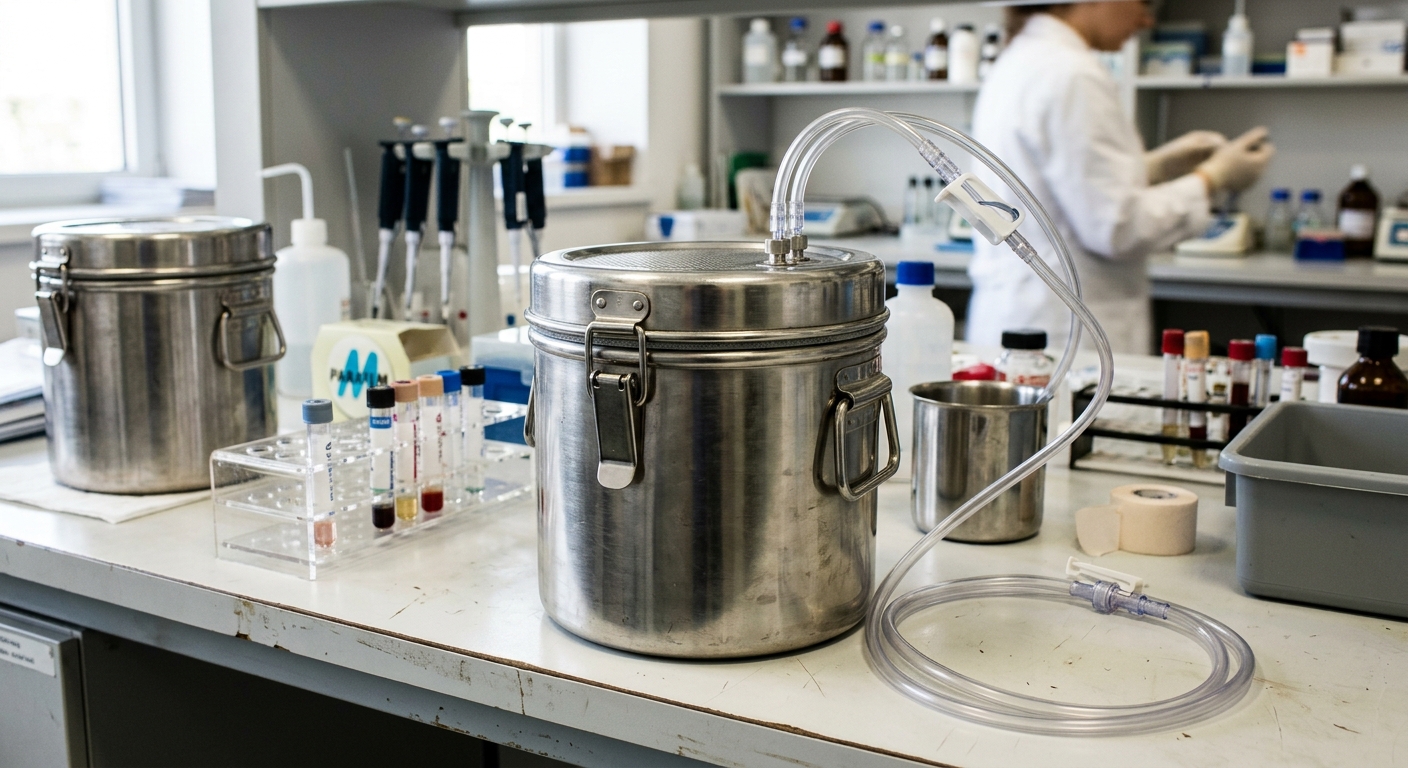
AI-generated illustration; not a photograph of the reported event.
- calendar_today October 10, 2026
Introduction to the REUP Heart Preservation Method
Vanderbilt Hospital in Nashville, Tennessee, has developed a pivotal new approach to heart preservation that is showing promise for donor heart transplants. This technique, known as the rapid recovery with extended ultra oxygenated preservation (REUP) method, was created by the adult heart transplant team at Vanderbilt Health and represents a significant advancement in utilizing donor hearts from those who have died.
Addressing the Challenge of Circulatory Death Donation
Traditionally, organs donated after circulatory death (DCD) could not be used for transplant, as the heart and other organs quickly became unsalvageable. Dr. Ziv Beckerman, associate chief of pediatric cardiac surgery and associate professor of cardiac surgery at Monroe Carell Jr. Children’s Hospital, explains that donation after circulatory death involves a person dying fully before organs are ethically collected. Previously, these organs were not considered suitable for transplantation.
How the REUP Method Enhances Heart Preservation
The REUP method offers an innovative solution for heart organ preservation. It involves flushing the heart with a specialized heart preservation solution rather than reviving or restarting the organ. This approach allows for up to 10 hours of preservation after circulatory death, increasing the viability of donor hearts for transplantation. According to Dr. Beckerman, "We basically just flush it with a special solution that protects it and that allows us to procure the organ." This method ensures that hearts, which would otherwise be discarded, are preserved and used to save lives.
Impact on Heart Transplant Shortage and Pediatric Care
The REUP tactic is already making a difference in both adult and pediatric heart transplants. In recent months, the last 10 heart transplants at Monroe Carell Jr. Children’s Hospital were performed using REUP-preserved donor hearts, sourced from cases that would not have been viable donors under previous standards. Dr. Beckerman notes, "If we didn’t take those hearts and save ten patients, these hearts would go to the trash." This breakthrough is particularly crucial as the need for heart transplants continues to outpace the supply of donor hearts, leaving many patients—especially pediatric patients—in critical need and at risk of dying on waitlists.
Growing Adoption and Future Prospects of the REUP Method
The success of the REUP method at Vanderbilt Hospital has drawn attention from the broader medical community. More than 15 teams have visited the facility to learn about the REUP process and its role in expanding heart transplant opportunities. As time remains a critical factor for patients awaiting transplants, innovations like REUP offer new hope and potential for improved survival rates.
Promoting Organ Donation and Saving Lives
Dr. Beckerman encourages families and individuals to consider registering as organ donors, emphasizing the life-changing impact this decision can have. "For families, for everyone out there that truly wants to help others please, if you get to a point where you need to consider that, please think about other families and their loved ones," he said. Increased awareness and willingness to participate in organ donation programs are crucial in addressing the heart transplant shortage and saving more lives.
To learn more about heart preservation techniques like the REUP method and the latest in donor heart transplantation, additional information is available on the Vanderbilt Medical Center’s website.
Source: wnky.com.