
- calendar_today August 26, 2025
Google has started distributing Android 16 to Pixel phones following a period of testing and anticipation. Pixel users will receive the latest version of Android starting today while other Android devices will receive their updates within the next few weeks or months.
Google has provided system images and update files through its developer site for users who are eager to receive Android 16 before the OTA update becomes available. Android 16 arrives with minor changes similar to previous updates and lacks critical launch improvements. The major features of the update will not be released until later this year.
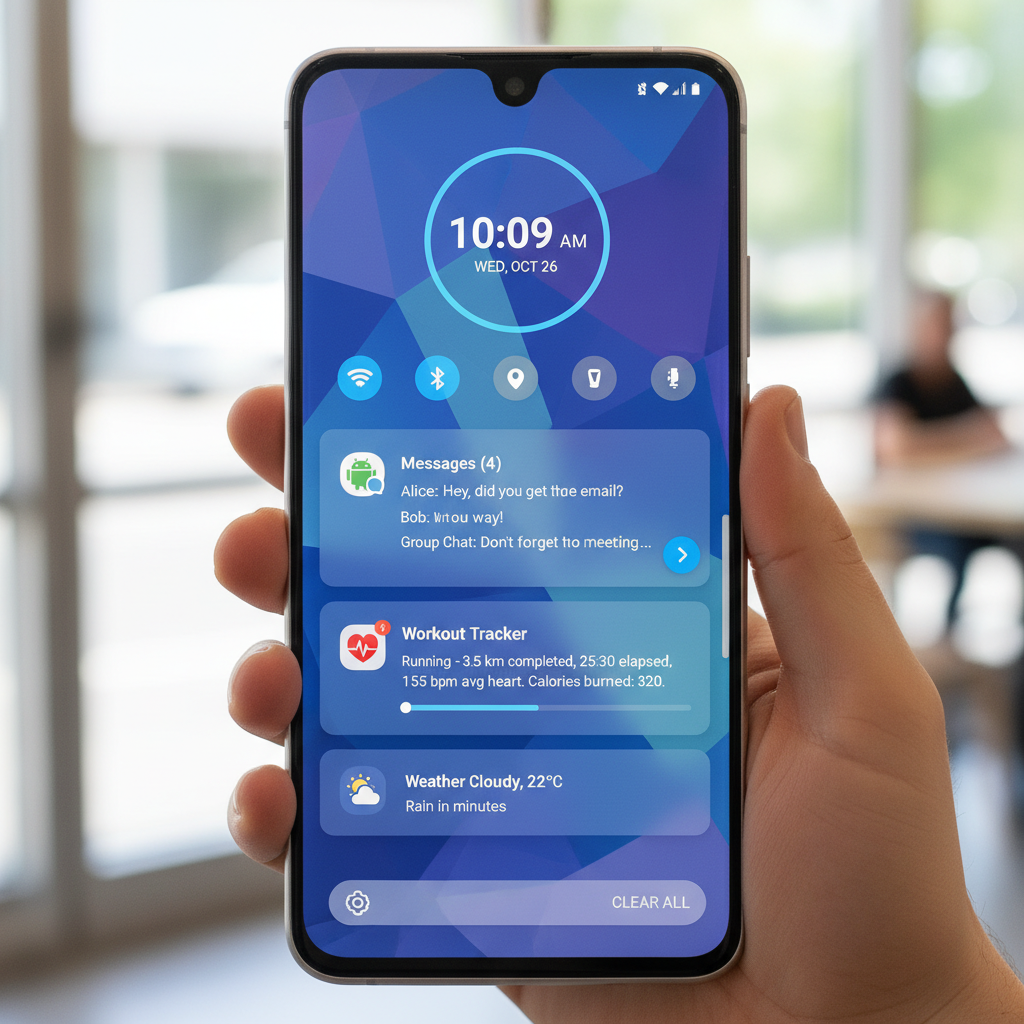
Users will notice the most significant visual change in the notification shade when using Android 16. Bundled notifications made their debut in Android 7.0 Nougat and Google has reinforced this functionality in Android 16. The new Android 16 requirement for apps to combine multiple alerts into expandable notifications leads to enhanced organization and reduced screen clutter.
The new live update notifications feature enables users to monitor real-time progress within selected applications. This new feature places a small icon in the status bar after its initial release for rideshare and delivery services. When users tap the status bar icon they will see a mini pop-up display that includes a live progress bar which provides immediate updates without needing to open the app. Google has partnered with Samsung and OnePlus to incorporate the feature into Samsung’s Now Bar and OnePlus’s Live Alerts systems.
Android 16 delivers substantial security enhancements. The Advanced Protection Program has moved from Google account access to direct integration into Android 16 devices. The system prevents access to old 2G networks while blocking hazardous websites and stopping USB devices from system access. This development marks a major advance in strengthening Android devices to resist security dangers.
The update includes hidden fun elements. The Emoji Kitchen feature now functions alongside the Pixel Studio application enabling users to create custom emojis through generative AI technology.
Android 16 delivers multiple hidden improvements for developer use. The Android 16 platform now enables apps targeting API level 36 to automatically resize themselves for optimal display on larger screens which shows Google’s increasing focus on foldable devices and tablets. Google urges developers to adapt their interfaces for large screens and automatic resizing will accelerate this process.
The camera features receive enhancements in Android 16. The release of Android 16 includes new features such as night mode detection, motion photo support, hybrid auto-exposure capabilities, and HDR screenshot functionality available in compatible applications. Google is currently tightening background process restrictions to enhance device efficiency but this change may cause compatibility problems for some applications.
The Android 16 update introduces a new Pixel Drop feature which lacks any major innovative elements.
The major update includes Pixel VIPs which enhances the favorite contacts feature. The new interface allows users to pin VIPs to their home screen widget and view recent messages from both Messages and WhatsApp along with birthday information and shared location details. VIPs will now have permission to override Do Not Disturb settings for both Messages and WhatsApp platforms.
The updates bring improved hearing aid support together with enhanced live search capabilities within the magnifier app. Users in the UK, Canada, and Australia will soon gain access to Expressive Captions that automatically produce captions with tone and emphasis.
At first sight Android 16 looks like a minor change but plenty more updates will follow soon. Google disclosed that the newly introduced Material 3 Expressive design language will not be included in the current update. Pixel phones will receive this feature later during the current year. Developers should begin preparations for the visual update despite the lack of a specified timeline.
The eagerly awaited desktop mode for Android is expected to become available soon. Developed together with Samsung and partly based on the DeX interface this new feature enables tablets to run multiple floating windows to create a PC-style environment. On-device windowing won’t be available for phones and foldable devices. These devices will provide desktop interface projection capabilities upon connection to an external display. Full windowing support will be available with Google phones but OEMs have the option to implement this feature in Android 16 devices.
The launch of Android 16 represents the beginning of Google’s new system for releasing updates. Android’s major annual update will now be available in late spring instead of being linked to fall hardware launches followed by a minor update for features and APIs at year-end.
Even though Android 16 does not present major changes today it prepares the platform for significant advancements in the future. Throughout 2025 the Android experience will progressively advance by incorporating design enhancements alongside productivity boosts and improved ecosystem integration.