
- calendar_today April 23, 2026
Kentucky – A high-profile case involving a Fleming County deputy injured outside a hospital emergency room culminated this week with a nine-year sentence for the suspect—probated after nearly two years in custody—in a decision closely watched by law enforcement and legal communities across the state.
Timeline of the Knifing Incident
The sequence of events began on July 13, 2024, when Deputy Dustin Cooper was dispatched to Billy Hall’s residence in response to a report of a possible intruder. Authorities later determined that the report stemmed from Hall’s mental delusions, exacerbated by methamphetamine use. Hall was subsequently transported by ambulance to a hospital for a comprehensive mental health evaluation.
Assault Outside Hospital Emergency Room
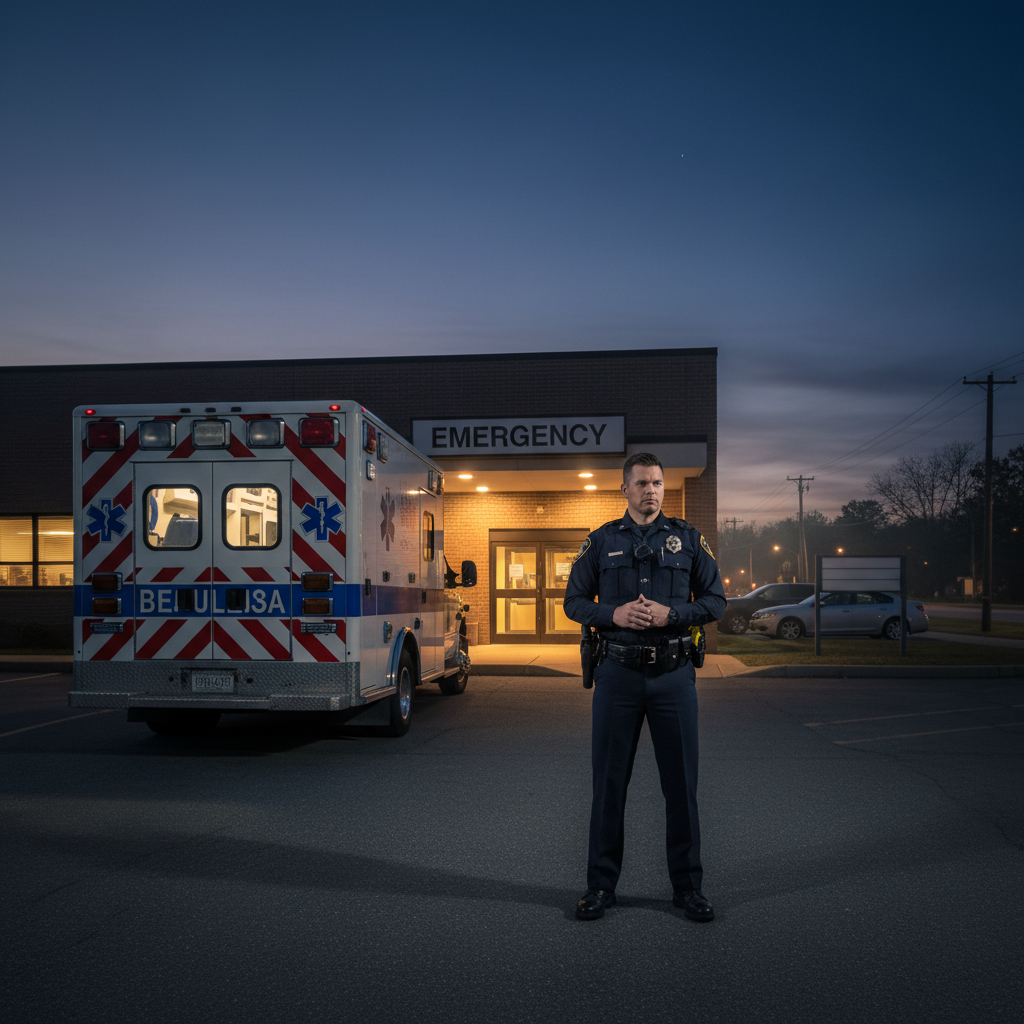
As the medical team and Deputy Cooper arrived at the hospital emergency room, the situation escalated. Upon exiting the ambulance, Hall drew a knife and cut Deputy Cooper on the arm, directly resulting in a law enforcement injury. Hospital staff quickly intervened, helping Cooper subdue Hall before further harm occurred. Despite the seriousness of the attack, Deputy Cooper administered his own first aid, applying a tourniquet to his wounded arm, and was treated and discharged the same day.
Legal Proceedings and Sentencing Outcome
Prosecutors initially charged Hall with more severe offenses, but the charges were later amended to wanton endangerment following review of his mental state and the circumstances surrounding the assault. The recent court decision outlined a sentencing outcome that includes nine years in prison. However, given Hall’s nearly two years in pre-sentence custody and evidence of mental health concerns, the sentence was probated. The probation terms specify that violation would trigger the remaining seven years of incarceration.
Community and Law Enforcement Response
The Commonwealth’s Attorney’s Office emphasized that the resolution delivers accountability for one of Kentucky’s most widely covered recent kentucky crime cases. The conviction and sentence, arrived at with Deputy Cooper’s approval, highlight collaboration between prosecutors, victims, and the broader law enforcement community. Local officials noted that the outcome underscores persistent safety challenges and the complex intersection of substance abuse, mental illness, and public safety, issues relevant across Fleming County and the entire Kentucky region.
Probation Terms and Court Supervision
The conditions of Hall’s probation are particularly stringent, reflecting the gravity of the knifing incident and its aftermath. Court officials confirmed that Hall will remain under close supervision, with support requirements and regular assessments related to substance abuse and mental health. Should Hall violate these terms, he faces immediate incarceration to serve the remainder of his sentence.
Broader Implications for Kentucky Law Enforcement
Deputy Cooper’s experience is a sobering reminder of the dangers fleming county deputy and law enforcement officials statewide routinely face. The incident has prompted renewed conversations regarding support systems for officers recovering from injury and the need for enhanced protocols in handling individuals undergoing mental health crises amid methamphetamine use. Local agencies report a rise in situations where wanton endangerment or violence intersect with community safety challenges, and incidents such as this—culminating in injury to a deputy—amplify calls for comprehensive interventions.
Ongoing Support and Outlook
As the Kentucky region reckons with recurrent threats to both public safety and the well-being of first responders, community leaders stress the importance of robust partnerships among healthcare, legal, and law enforcement institutions. The case of Deputy Cooper, following the harrowing hospital knifing incident, continues to inform ongoing discussions on criminal justice reform, mental health support, and violence prevention measures throughout the state.